Cars are a maintenance contract you sign without reading. The machine is reliable only if you keep four things honest — tire pressure, oil level and condition, brake and coolant fluid, and the alignment — and most of the money people spend on repairs is spent recovering from one of those four being ignored. Tires set in pounds per square inch (psi) on the vehicle placard are the cheapest thing to check and the one most often wrong; brake fluid absorbs water and should be replaced on a schedule; engine oil is a time-and-distance decision, not just a distance decision. Everything else — diagnostics, suspension work, the repair estimate that makes you flinch — flows from how well you handle those four.
Air pressure is the first thing you check and the last thing anyone checks
Check tire pressure cold, before the car has moved, and set it to the number on the vehicle placard — not the number molded into the tire sidewall. The placard is the label FMVSS No. 110 requires on light vehicles, and it lists the recommended inflation pressure and the tire size designation. The sidewall number is the tire's maximum at full load, a different figure entirely, and inflating to it gives you a hard, skittish ride and uneven wear down the center of the tread.
Pressure is expressed in psi, and the reason it matters more than almost anything else you do is that a tire is a pressure vessel. Underinflation flexes the sidewall on every rotation, heat builds, and heat is what destroys tires — the failure mode is a blowout at highway speed, not a slow leak you notice in the driveway. Overinflation is milder but real: the contact patch shrinks, the center of the tread wears faster than the shoulders, and the car transmits more road noise and impact into the suspension. Both directions cost you tire life, and a tire is one of the more expensive consumables on the car.
Temperature moves the number. Pressure drops as ambient temperature drops, which is why the first cold morning of fall is when the low-pressure light comes on for half the cars in a parking lot. Check monthly and before any long drive, and check the spare too — a compact spare sitting at half pressure for years is a roadside emergency waiting on a bad day. A cheap pencil gauge in the glovebox is fine; a digital gauge is easier to read and costs about the same as a tank of fuel. The trade-off is time: this is a five-minute job that saves tire money and fuel, and there is no version of car ownership where skipping it pays.
Oil changes: the interval on the cap is a starting point, not a rule
Follow the manufacturer's oil interval while the car is under warranty, then decide for yourself based on how you drive. The severe-service schedule in the owner's manual is the honest one for most American drivers — short trips, stop-and-go traffic, cold starts, dusty air, towing. Those conditions are harder on oil than steady highway miles, because the engine never fully heats and moisture and fuel dilution accumulate in the crankcase. A car that does mostly highway commuting can run the longer interval; a car that does four miles to the office and back cannot, no matter what the sticker says.
Oil does three jobs and degrades at different rates on each: it lubricates, it carries heat away from moving parts, and it holds contaminants in suspension until the filter catches them or the drain removes them. Full synthetic resists heat breakdown better than conventional and is what most modern engines specify, particularly turbocharged and direct-injection units, which run hotter and are more sensitive to oil quality. Use the viscosity the manufacturer specifies — the number on the cap — and don't substitute a thicker oil to quiet a noise. That hides a problem and starves tight clearances at cold start.
Check the level monthly, on level ground, engine off and cool, and wipe the dipstick before reading it. Between scheduled changes, a level that drops noticeably means something is consuming oil — a leak, worn rings, a failing turbo seal — and catching it early is the difference between a top-off and an engine. The cost of an oil change is trivial next to the cost of an engine, and the trade-off of doing it more often than the manual requires is money spent for peace of mind. On a car you plan to keep, that's a fair trade. On a lease, it isn't.
Fluids other than oil are the ones that quietly end cars
Brake fluid is hygroscopic — it absorbs moisture from the air over time — and that moisture lowers its boiling point and corrodes the internals of the brake system from the inside. Replace it on a schedule measured in years, not miles, and do it even if the car stops fine, because the failure mode is fade under hard, repeated braking: a pedal that goes soft on a long downhill grade when you need it most. This is one of the cheapest services on the car and one of the most frequently skipped.
Coolant protects against freezing, raises the boiling point, and carries corrosion inhibitors that wear out. Old coolant turns acidic and eats radiators, water pumps, and head gaskets — repairs that cost many times a coolant flush. Use the type the manufacturer specifies; mixing incompatible coolant chemistries can gel the system. Transmission fluid and differential fluid are longer-interval items, and the "lifetime fluid" language some manufacturers use means lifetime of the warranty, not lifetime of the car. If you tow or drive in mountains, change them sooner.
Power steering fluid, where the car still has hydraulic steering, and windshield washer fluid are the minor ones. Washer fluid matters more than people think in a northern winter — the summer blend freezes in the lines and cracks the reservoir, and a dirty windshield in low sun is a genuine hazard. The honest trade-off on all of these is that the service interval is a guess about your driving, and the cost of doing them early is small compared with the cost of doing them after a failure.
Brakes, tires, and alignment are one system, and the alignment is the one nobody buys
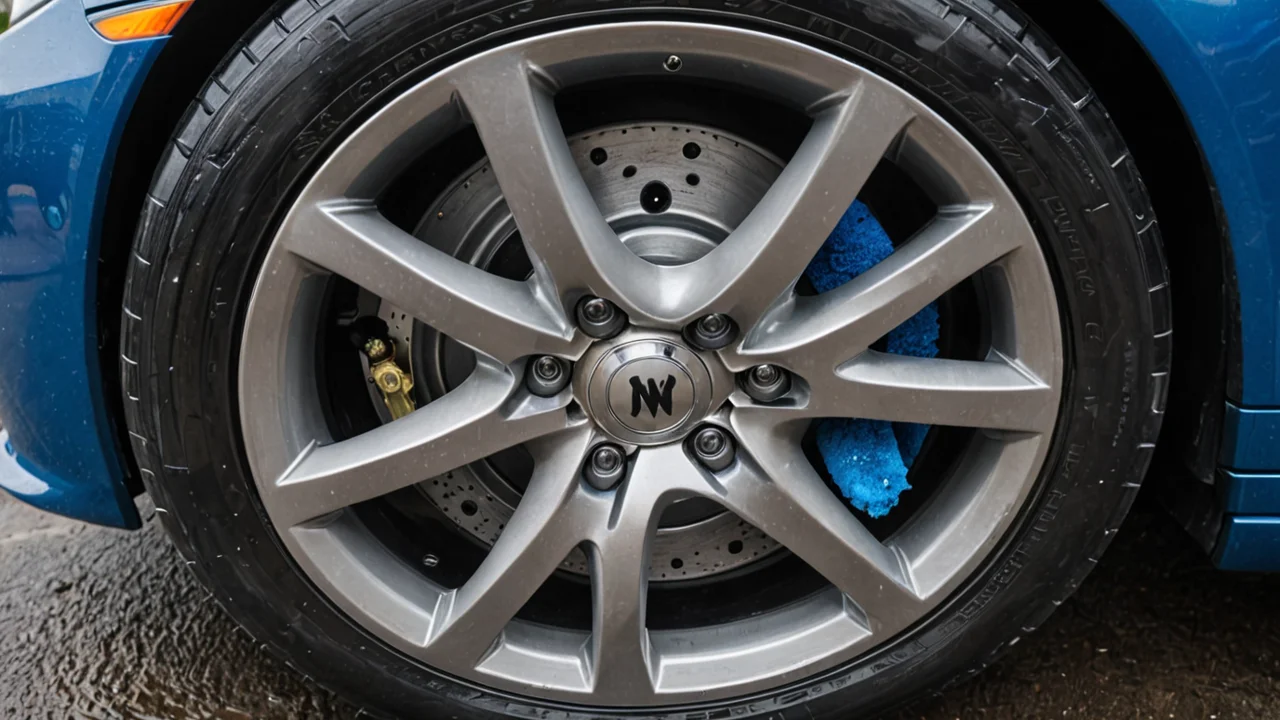
Replace brake pads before the backing plate reaches the rotor, and replace rotors that are below minimum thickness or scored — resurfacing a thin rotor to save money is how you get a pulsating pedal and a longer stopping distance. Brake work is not a place to shop purely on price. Cheap pads are noisy, dusty, and fade earlier when hot, and the difference shows up exactly when you don't want it to: a panic stop from highway speed, or a long descent with a loaded car.
Tires wear as a set, and the alignment determines whether they wear evenly. A car that pulls to one side, a steering wheel that's off-center going straight, or a tire worn on one inner or outer shoulder is telling you the alignment is out. Left alone, a bad alignment scrubs the tread off an expensive set of tires in a fraction of their intended life and can mask suspension damage — a bent tie rod or worn control arm bushing — that gets worse. Get an alignment after hitting a curb hard, after suspension work, and any time you install new tires. It's cheap relative to tires, and it's the service most often declined at the tire counter.
Rotate tires on the interval the manual gives, and check tread depth across the width of each tire, not just at one spot. Uneven depth across the tread is an alignment or inflation problem; uneven depth between front and rear on a front-wheel-drive car is normal and rotation manages it. The trade-off here is that alignment and rotation feel like invisible spending — nothing about the car drives differently the day you pay for them — which is precisely why they get deferred and precisely why deferring them is expensive.
Diagnostics, warning lights, and the difference between a code and a diagnosis
A check-engine light means the engine computer stored a fault code, and a code is a symptom, not a repair. The same code can come from a loose gas cap, a failing sensor, a wiring fault, or a vacuum leak, and the parts-cannon approach — replacing whatever the code names — is how people spend hundreds of dollars and still have the light on. Read the code, then test the circuit. That is what a good technician is paid for, and it's why a diagnostic fee is legitimate rather than a scam.
Some lights are stop-now and some are schedule-it. A flashing check-engine light means a misfire severe enough to dump raw fuel into the catalytic converter and can destroy it in a short drive — stop. A steady light is usually safe to drive to a shop. A red oil-pressure light or a red temperature light means shut the engine off as soon as it's safe, because both conditions destroy bearings and heads in minutes. A yellow tire-pressure light means check the pressures now, not next week. Knowing which is which is the single most useful piece of car literacy a driver can have.
An OBD-II scanner that pairs with a phone costs less than a single shop diagnostic and reads and clears codes on any car sold in the US since the mid-1990s. Buy one if you're curious or if you drive an older car; it turns a mystery into a searchable code, and it lets you verify a shop's diagnosis instead of taking it on faith. What it won't do is tell you which of five possible causes is the real one. That's still testing, and testing is still the expensive part.
What maintenance actually costs, and where the money is honestly spent
Spend on fluids and tires before you spend on anything cosmetic, and spend on preventive work before you spend on repairs. The order that keeps a car cheap to own is: correct tire pressure and rotation, oil at the right interval for your driving, brake fluid and coolant on schedule, alignment whenever the tires or the steering say so, and then everything else. A car maintained in that order rarely produces a surprise four-figure bill, because the failures that produce those bills — a cooked transmission, a blown head gasket, a tire that let go at speed — are the ones the first four items prevent.
Where people overspend: premium fuel in a car that doesn't require it, dealer service on out-of-warranty routine work when an independent shop charges less for the same job with the same parts, and early replacement of components that are still within spec. Where people underspend and regret it: brake fluid, coolant, alignment, and transmission service. The pattern is consistent — the cheap invisible services get skipped, and the expensive visible repairs get paid for later.
Keep records. A folder of receipts, or a notes app with dates and mileage, is worth real money at resale and worth more than that when a shop asks what's been done. It also tells you when you're being sold something you already had done. The trade-off is a few minutes per service, and the return is a car whose history you can actually defend.
Driving habits and conditions change every number above
Short trips are the hardest thing most cars do. An engine that never reaches full operating temperature accumulates moisture in the oil and exhaust, runs rich, and wears differently than one that cruises at highway speed for an hour. If most of your driving is short, shorten your oil interval, take the long way occasionally, and expect the exhaust and battery to age faster than the manual suggests. Cold climates add tire-pressure swings, washer fluid that must be rated for freezing, and batteries that fail on the first hard freeze — test the battery before winter rather than after.
Heat is the other direction. High ambient temperatures raise tire pressures, stress the cooling system, and shorten battery life. Check coolant level and condition before a summer road trip, verify tire pressures cold in the morning, and don't tow above the rating in the manual — the transmission and brakes are the parts that pay for overloading, and they pay in the most expensive way. Dusty air and mountain grades both push you toward the severe-service maintenance schedule, which is the one most owners should be following and almost none do.
The honest summary is that car care is unglamorous and mostly about doing cheap things on time. The machine rewards attention with a long, boring life and punishes neglect with a short, expensive one. There is no trick to it, and the people whose cars run to high mileage without drama are almost always the ones who checked the pressure, watched the fluids, and paid for the alignment.